

by Jamie R. Van Doren
Unified Building Technologies launched in December 2023. By Q1 2025, revenue moved from about $60,000 in 2024 to roughly $600,000, with year-end pacing near $850,000 and $6 million in projects in the near pipeline. Unified Building Technologies became an OMSDC-certified MBE in April 2025 and immediately sponsored ConnectingOHIO.
The water in Kingman, Arizona, came out at ninety-five degrees, but the plants needed sixty-eight. A horticulture facility had the wells, the RO system, and the ambition—just not the cooling. When John Ramos stepped in, he didn’t just reach for a catalog SKU. He designed a solution.
That instinct to craft solutions, not just sales, has been shaped over time. Ramos started in HVAC at Stark State, earning an associate’s degree and the mentorship of two professors who pushed him to master both the technical and business sides of the field. Wholesale distribution followed at Robertson Heating Supply, where he learned how manufacturers think and why projects stall when design and lead times fall out of sync. Those lessons would matter later, when speed and availability became the difference between a fix and a failure.
Wadsworth Solutions drew him closer to the applied side—specification work, engineer relationships, and the kind of open-ended problems that reward initiative. In that “wild west,” as he puts it, Ramos saw a recurring need: owners needed one accountable person to design, procure, coordinate, and deliver. Meeting that need required a new structure and real capital.
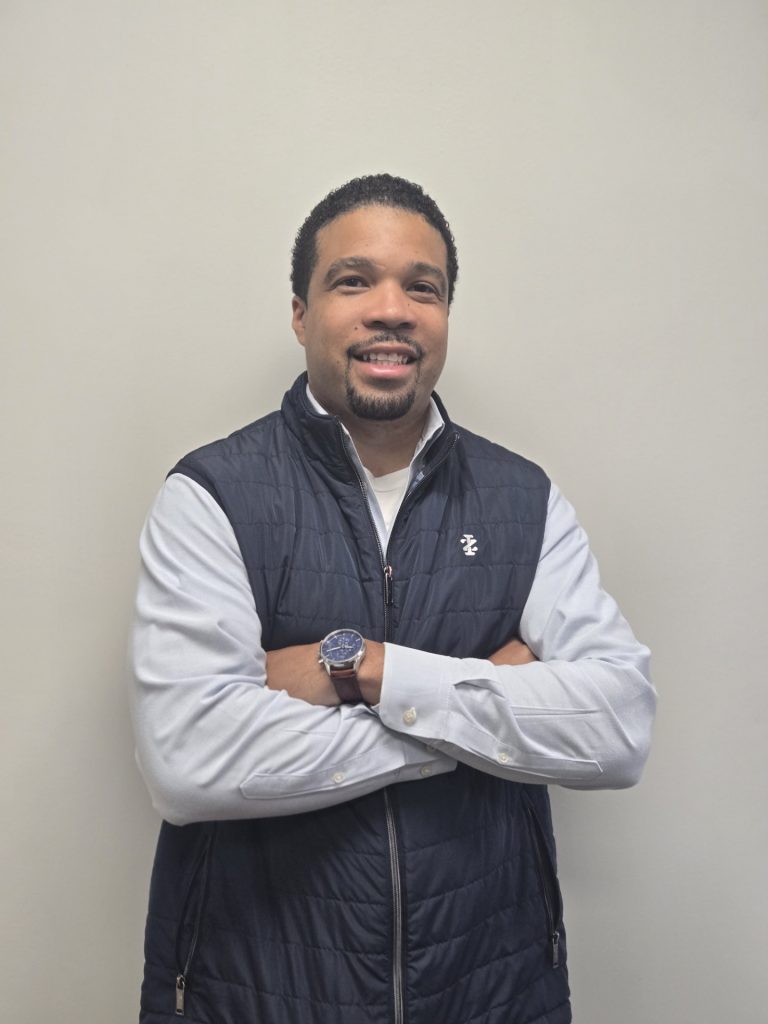
With backing from Lion’s Share Company, a legacy Ohio organization, Unified Building Technologies took shape in December 2023. The partnership gave the young firm the scaffolding new contractors often lack—legal, bonding and insurance support, and working capital—while keeping Ramos’ design-build vision at the center. The result is a business that collapses seams. Unified Building Technologies folds engineering, procurement, and delivery under one roof so owners can move from problem to plan without losing time to handoffs.
The numbers tell part of the story. Unified Building Technologies recorded about $60,000 in 2024, then opened 2025 with roughly $600,000 in Q1. Their largest job this year landed around $400,000, and year-end should close near $850,000. Next year could reset the curve. 2026 projects, including an Arizona design-build chiller opportunity, will net them around $6 million, with more even opportunities forming behind it.
For now, scale is intentional and lean and Unified Building Technologies is exploring when and how to expand next. Ramos keeps engineering direction close, sketches solutions before sending them to licensed engineers for the stamp, and maintains direct lines to a few manufacturers for availability intelligence. Subs and partner “muscle” are brought in based on schedule and qualifications. He’s pursuing HVAC and hydronics licensure to bring commissioning and startup in-house. Acquisition is on the table for 2026, once recurring work can support a crew and a management layer. In other words, “crawl, walk, run”—not as a slogan, but as an operating system.

Certification fit that plan. Unified Building Technologies became an OMSDC-certified MBE in April 2025 and, on the same rhythm, stepped in as a ConnectingOHIO sponsor. The point wasn’t a piece of paper to hang on the wall. It was a key to more opportunities. In construction, you often compete with century-old legacy companies. Certification opens doors on the public side and signals credibility. It also plugs you into a network that shares the same goal: building a more resilient Ohio economy. Shortly after, Unified Building Technologies added City of Cleveland and CMHA certifications and won an initial CMHA job around $28,000—an entry made easier by validation and visibility.
The Kingman, AZ job shows how Ramos and Unified Building Technologies pulls these threads together. The owner needed to pull ninety-five-degree water down to sixty-eight on a tight clock. Ramos mapped a chiller strategy that could be built from available equipment and delivered on schedule. He coordinated design, lined up gear, managed subs, and drove commissioning. The fix looks straightforward in hindsight. It rarely does at the start.
ConnectingOHIO 2025 and 2026 extended the same logic to building business relationships. When Ramos decided to attend and sponsor ConnectingOHIO (Columbus, August 4 – 6, 2025) he didn’t expect a one-conversation contract. He went into the room with a plan and a purpose. He accomplished more than expected – leaving with a list of follow ups: primes, city contacts, healthcare systems who might be able to open the right doors at the right time. The challenge now is focus. A small firm can’t chase everything, so Ramos is picking lanes where design-build speed and procurement savvy create an edge. The callback is clear: the work of managing a $400,000 job looks a lot like managing a $4 million job. Coordination scales before headcount does.

Community impact is built into Ramos’ business model. He serves on four local boards, including United Way’s Community Impact Council, and helps steward a CDC that builds affordable housing for seniors. As Unified Building Technologies grows, that capital—and the jobs that follow—circulates locally. Dollars retained in the region multiply. Dollars that leave drain resources, as community capital flows elsewhere. Ramos, like many who advocate for more minority business investment, recognizes that supplier diversity isn’t charity. It’s how you keep the flywheel turning at home.
Policy shifts are changing the ground under every MBE. Ramos is tracking the moves on disadvantage standards and the downstream changes across cities and state reciprocity. What helps most, he says, is clear guidance and practical tools—especially if owners must document disadvantage narratives under new rules, like the Department of Transportation’s changes to Disadvantaged Business Enterprise definitions. Continued advocacy matters too, not only with government but with private buyers who still care about equity and need qualified suppliers to perform. The throughline for Unified Building Technologies’ remains: success depends on clarity, speed, and the right partnerships.
What should other MBEs take from Unified Building Technologies’ path? You don’t need a large payroll to start winning larger scopes. You need a clear value proposition, partners willing to share risk and support you, and a network (like OMSDC’s) that opens rooms you can’t open alone. Certification and event aren’t paperwork and parties. They’re how you gain credibility, build relationships, hear about a bid opportunity—and sometimes how you just get your foot in the door.
Ramos wrote a sponsorship check for ConnectingOHIO the moment his OMSDC certificate arrived because he sees the loop. “This community helps me grow, and I want my growth to help the community,” he says. “Let’s grow each other.”
How Can You Support OMSDC in Growing Ohio’s Economy?
If you’re an Ohio-based, minority-owned business ready to compete for larger contracts—or a buyer building a resilient, local supply base—connect with OMSDC. Start with certification, sourcing introductions, and practical guidance on the changing landscape: certification@ohiomsdc.org.
Have a success tory you want to share? Email us at marketing@ohiomsdc.org or submit our story form.
Thank you for sharing the value of the network (OMSDC). Highlighting successes such as these validate the journey and provide inspiration for the next generation companies to come. Bravo!